About the Competition
A Platform for Aspiring Student Designers
Designing With Purpose
The Autodesk Panorama competition invites post-secondary and vocational students across the Asia-Pacific region to take on real design briefs in manufacturing, architecture and animation. Projects are built using Autodesk software, with coaching and mentoring provided by industry professionals and academic partners.
Selected finalists advance to an intensive hands-on programme that rewards skill, originality and technical craft.
For Aspiring Students
A regional stage for emerging designers working in manufacturing, architecture and animation.
Hands-On Coaching
An intensive, mentor-led programme that mirrors the pace of industry work and product development.
Best of Region
Participants are chosen from the strongest entries across multiple Asia-Pacific countries.
Design competitions play an important role in shaping the next generation of creative professionals, and student-focused programmes offer a rare opportunity to translate classroom learning into portfolio-ready work. By engaging with briefs that mirror real industry expectations, participants develop a stronger command of their tools and a clearer sense of how creative decisions connect to practical outcomes. The format also encourages collaboration, since students often exchange feedback, share techniques, and learn from peers tackling similar problems. For those considering a path in design, manufacturing, or animation, such competitions act as a bridge between academic study and professional practice, offering motivation, structure, and a tangible goal beyond the standard curriculum.
Working within a defined brief is one of the most effective ways for emerging designers to sharpen their problem-solving abilities. Constraints around materials, software, audience, and timeline force participants to prioritise ideas and refine their process rather than relying on open-ended exploration. This kind of guided challenge reflects the rhythm of professional studios, where briefs arrive with specific deliverables and stakeholders. Students who learn to navigate these conditions early tend to adapt more easily to client work, interdisciplinary teams, and the iterative cycles that define modern design practice. A competition setting compresses that learning into a focused period, making growth visible in a way that longer projects sometimes obscure.
Beyond technical skill, design competitions cultivate confidence and a sense of professional identity. Presenting work to a panel, articulating decisions, and receiving structured feedback are experiences that mirror the realities of working life, where communication matters as much as craft. Participants also gain exposure to mentors and industry figures who can offer perspective on career direction, emerging trends, and the evolving role of design across sectors. The recognition that comes from advancing or winning adds a meaningful marker to a young portfolio, signalling initiative and ambition to future employers or collaborators. Taken together, these elements make competitions a valuable complement to formal education for any student serious about a design career.
Three Competition Tracks
Manufacturing
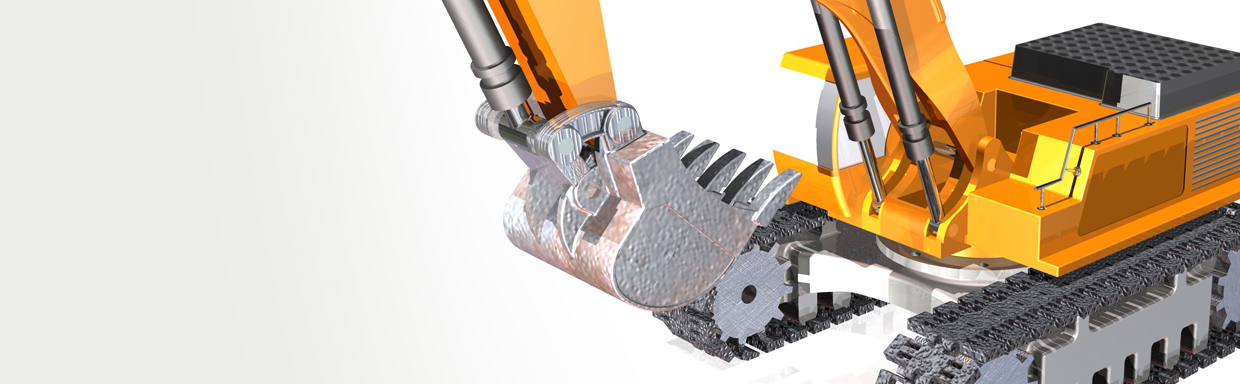
Product and industrial design challenges built around Autodesk Inventor workflows.
Architecture
Building and spatial projects judged on holistic design thinking using Autodesk Revit.
Animation
Motion and storytelling work created with 3ds Max and Maya.